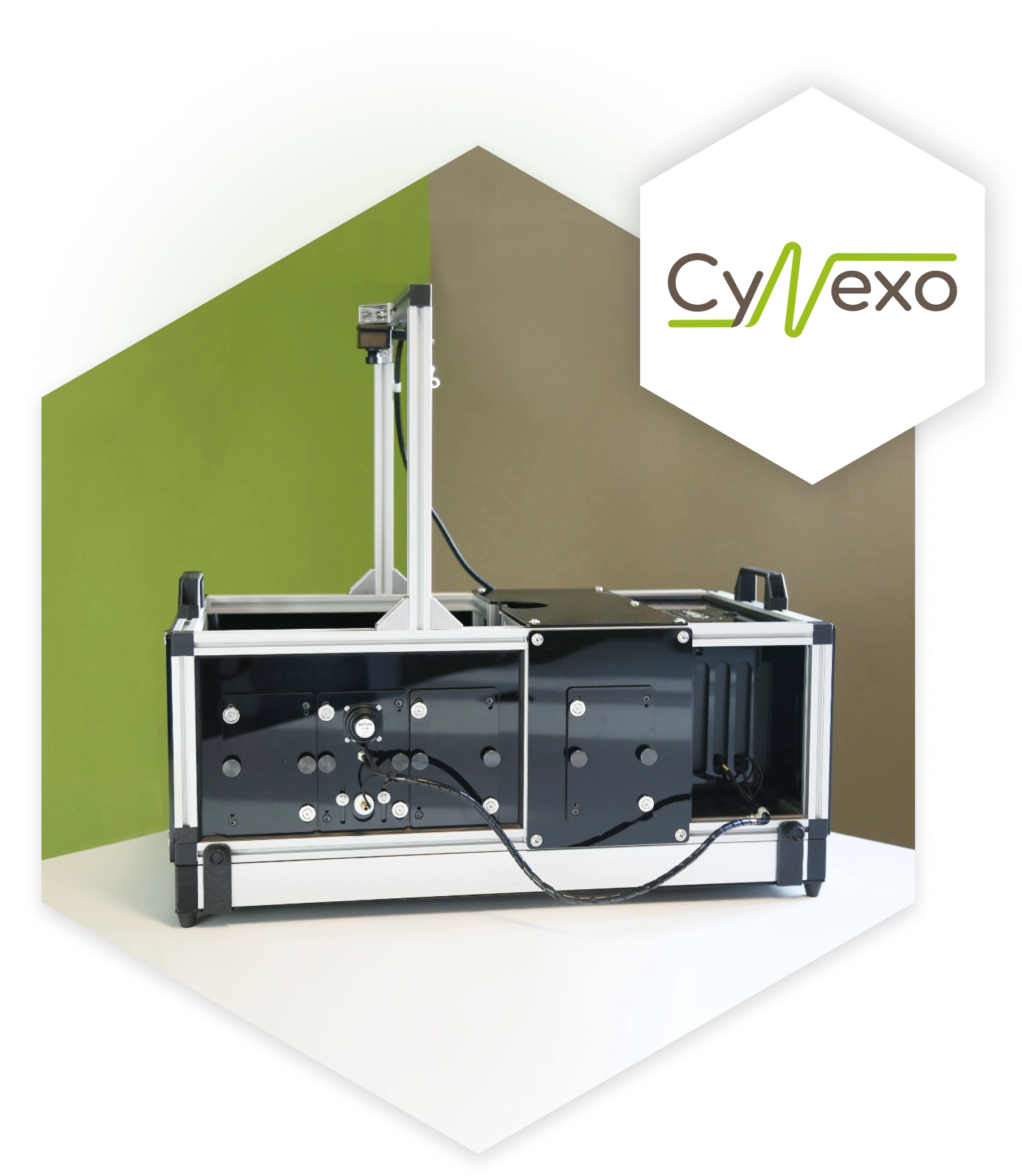
Rigid Infrastucture
Fixed setups make it difficult to adapt to new experimental requirements or integrate emerging technologies.
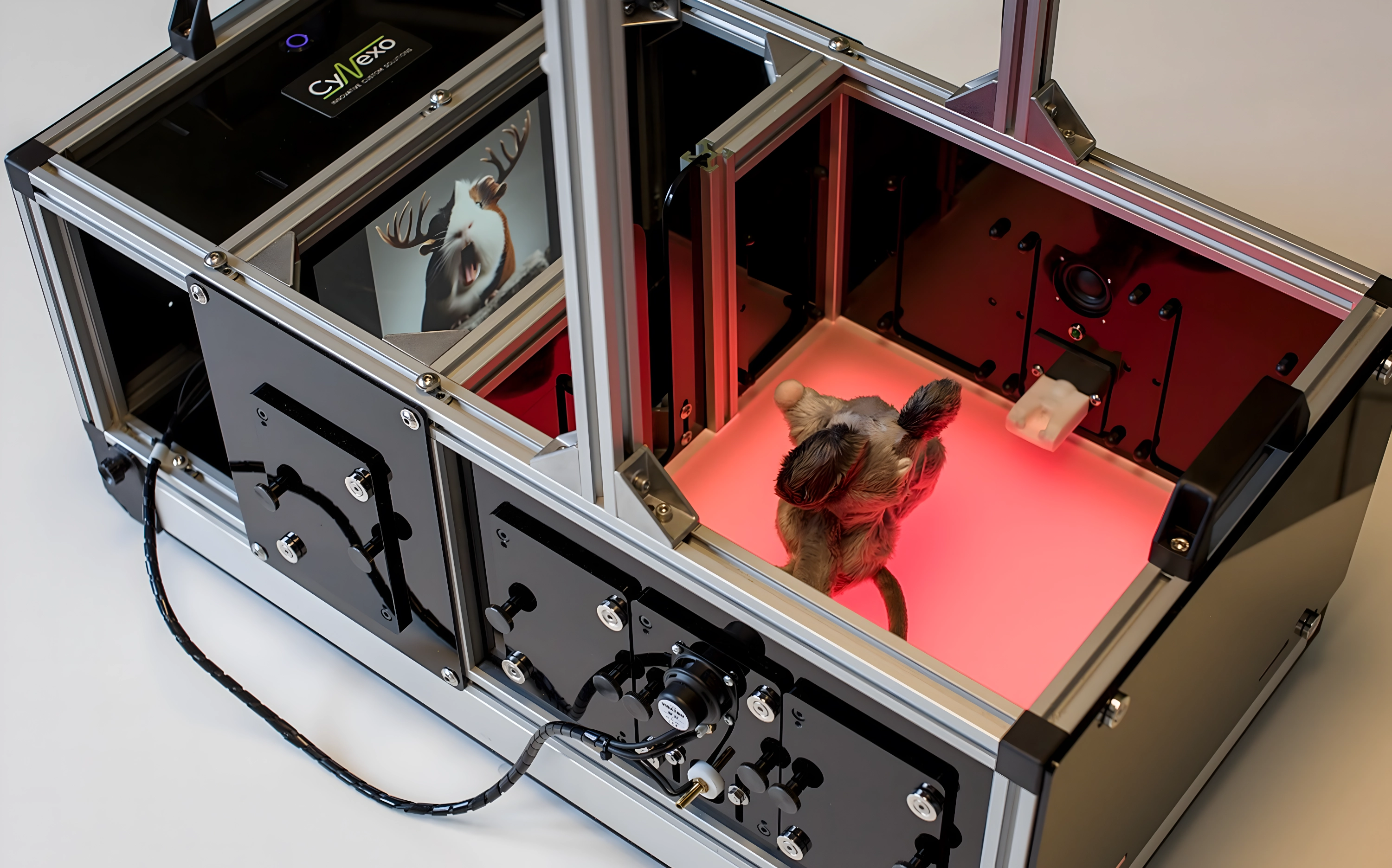
Enable sophisticated multisensory, decision-making, and behavioural paradigms with unprecedented flexibility
Fixed setups make it difficult to adapt to new experimental requirements or integrate emerging technologies.
Researchers spend valuable time configuring equipment instead of focusing on actual experimentation and analysis.
Every protocol change requires expensive custom modifications and extended downtime that drains research budgets.
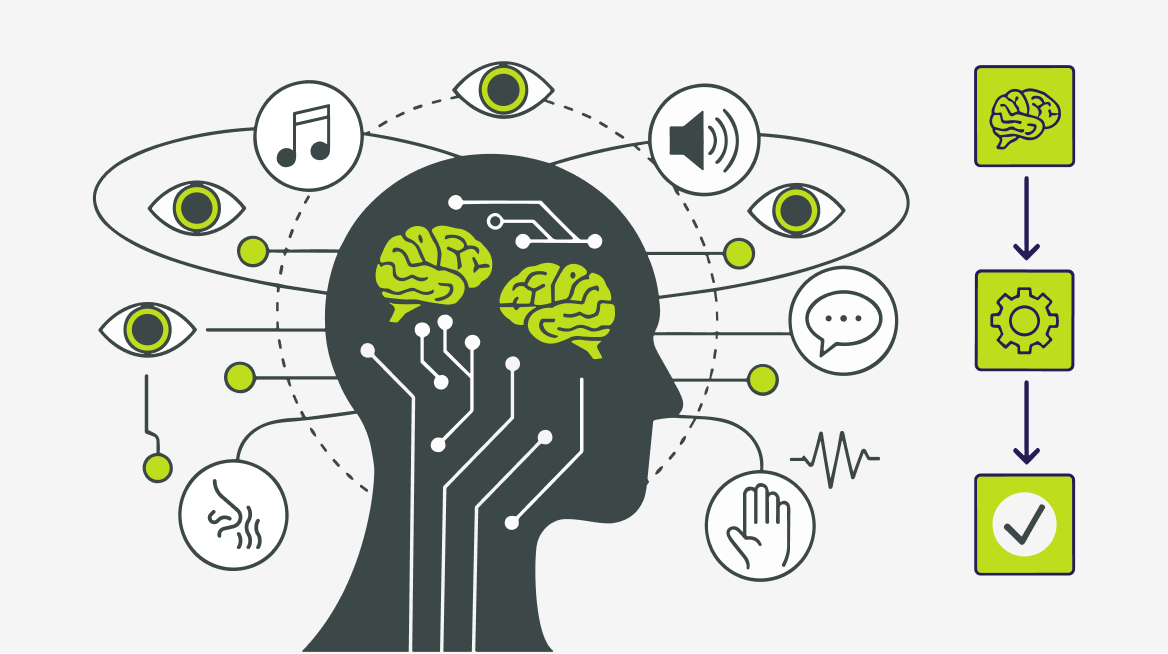
Support advanced multisensory, behavioural, and decision-making studies with exceptional adaptability and ease of programming.
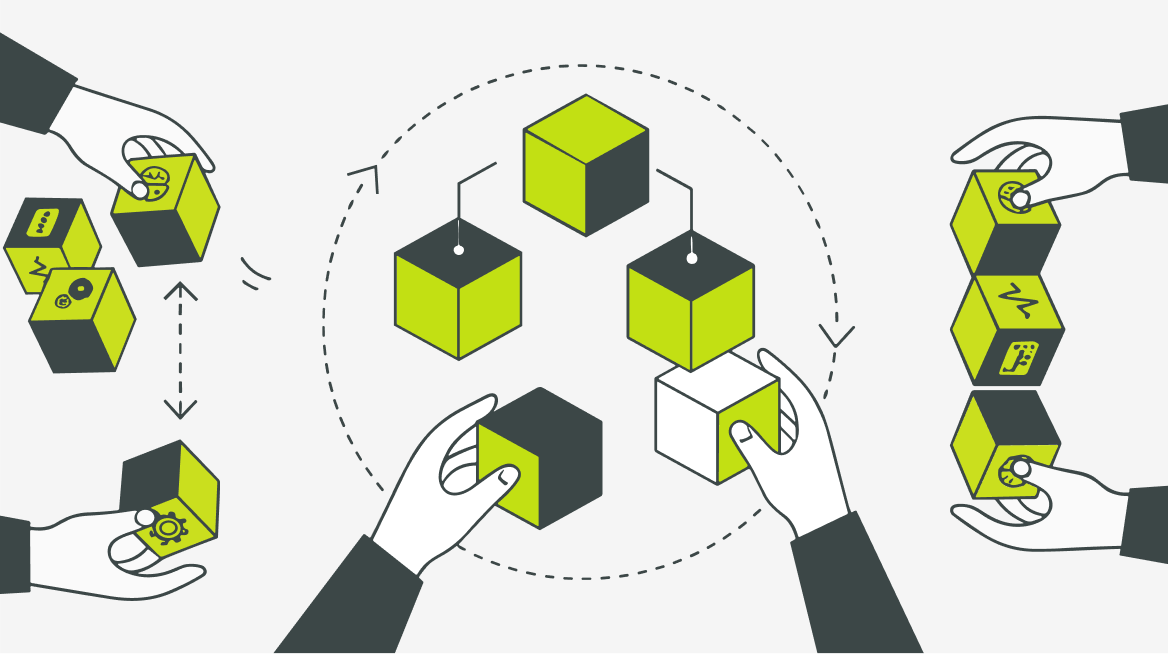
Build your setup from interchangeable components that adapt to your experimental protocol.
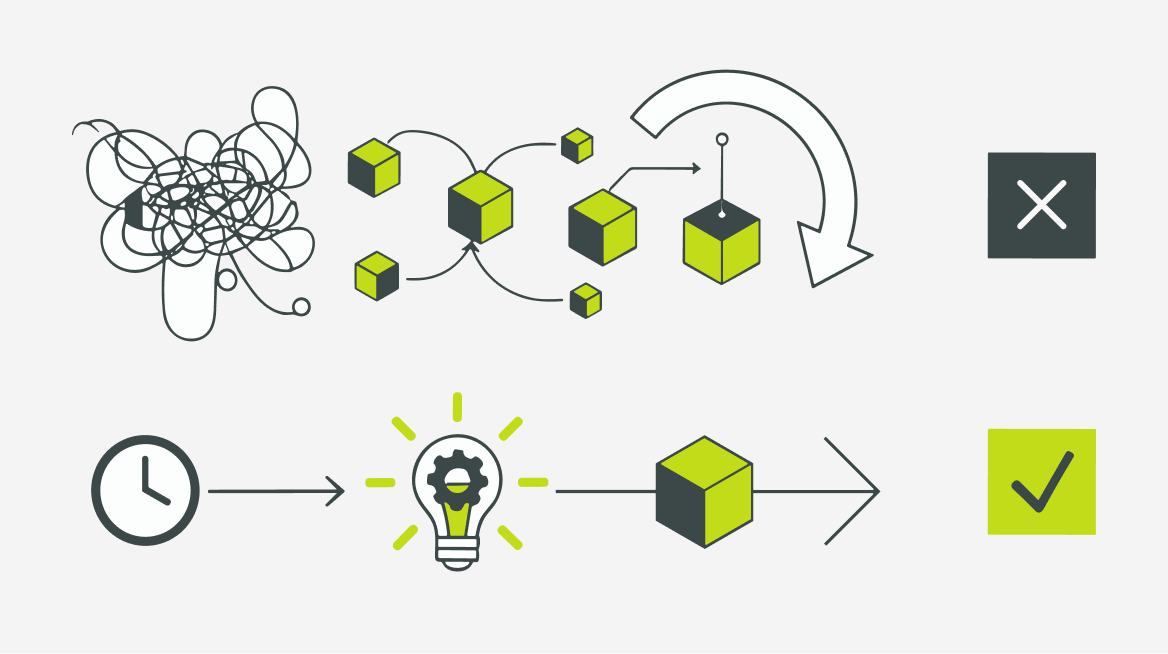
Test new ideas in hours, not weeks. Reconfigure setups as your research evolves.
WHY IT'S DIFFERENT
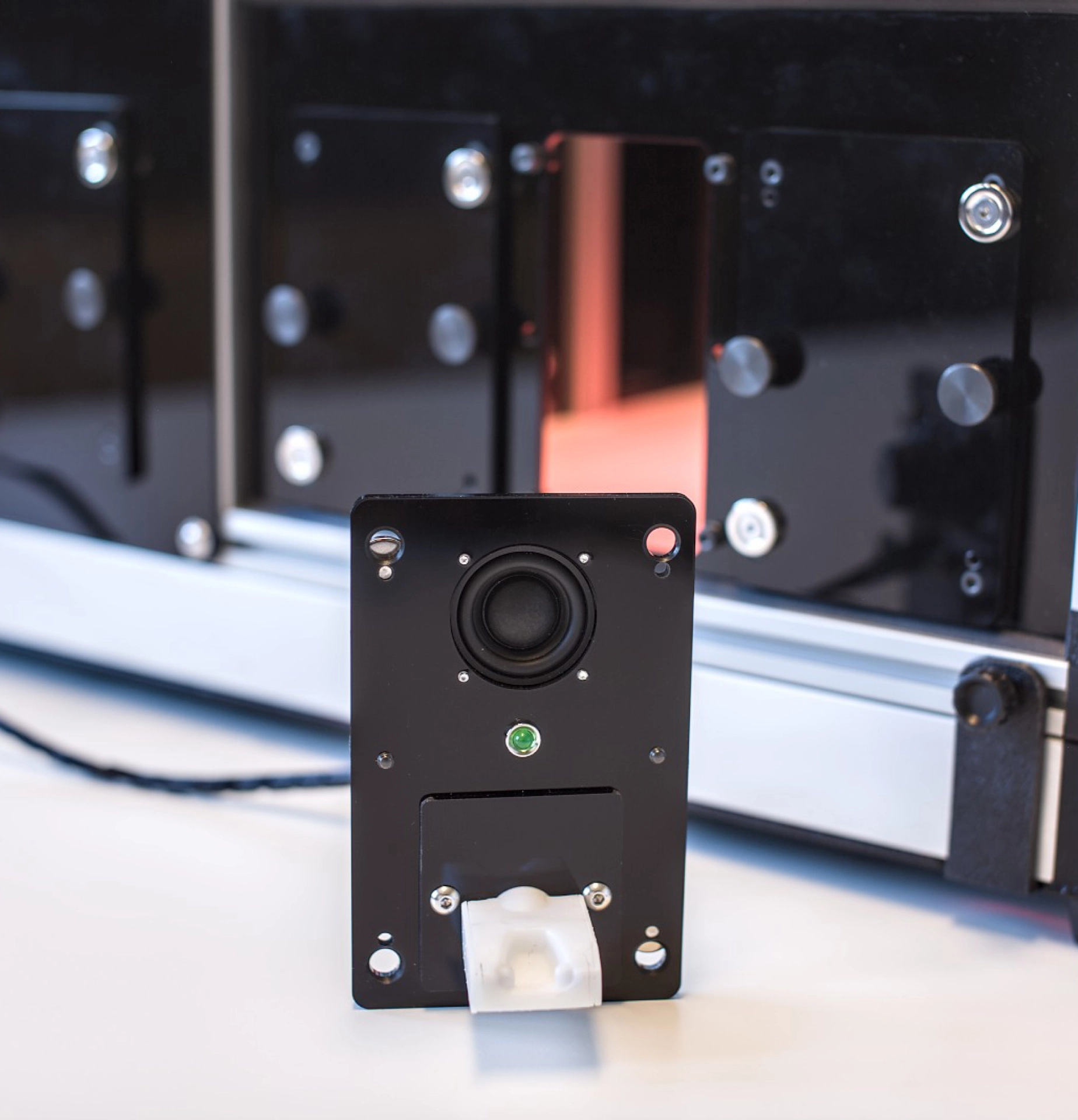
A system that evolves with the research
Flex-I's modular architecture allows researchers to build custom configurations tailored to each experiment and to reconfigure them as hypotheses evolve. Components can be reused across projects, enabling fast iteration without costly redesigns.
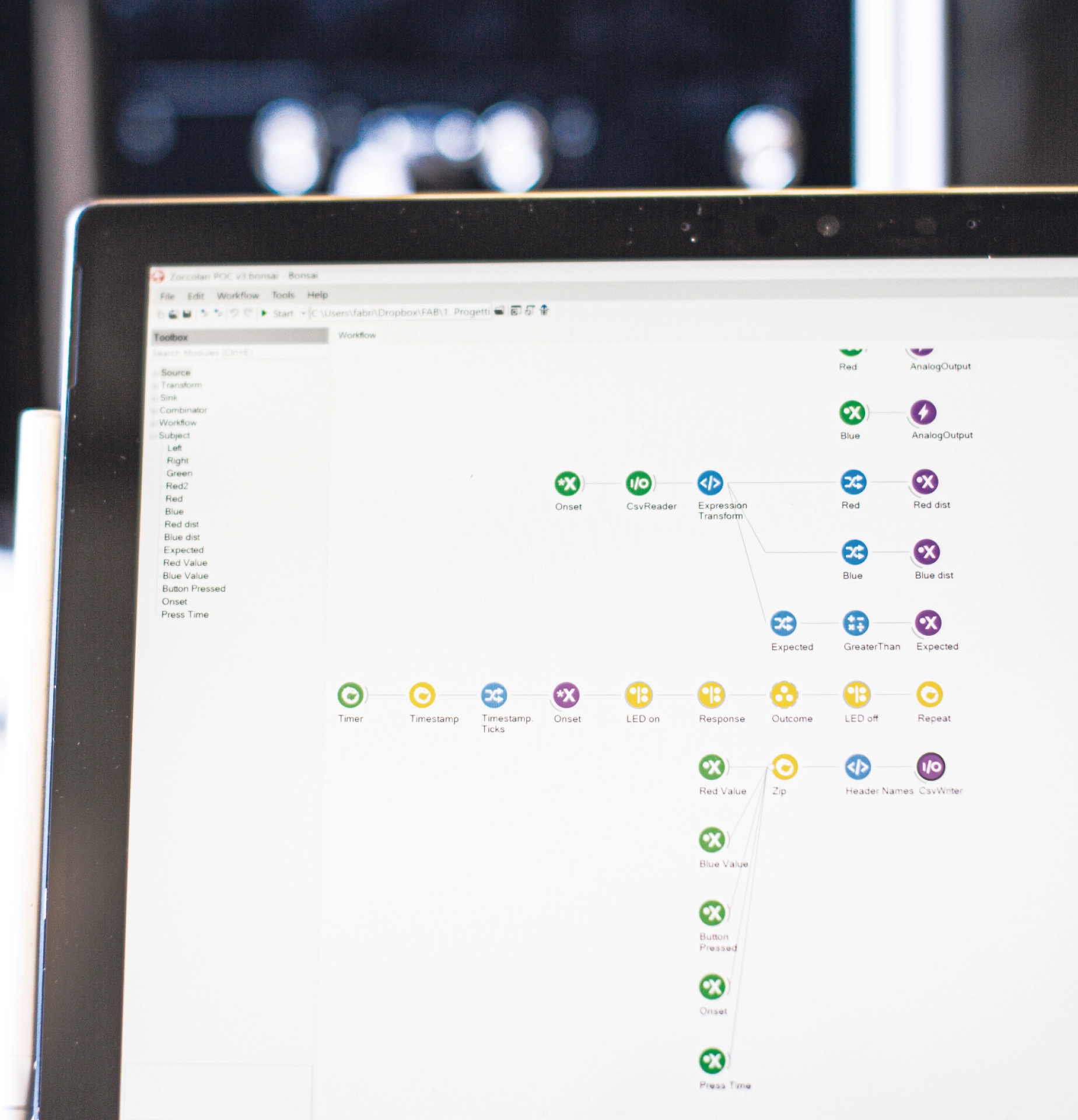
Accessible to non-engineers, powerful for expert users
Designed for quick configuration while remaining powerful for advanced users.
Plug-and-play mechanics, visual tools, and a documented API allow both rapid onboarding and deep customization via your programming language of choice.
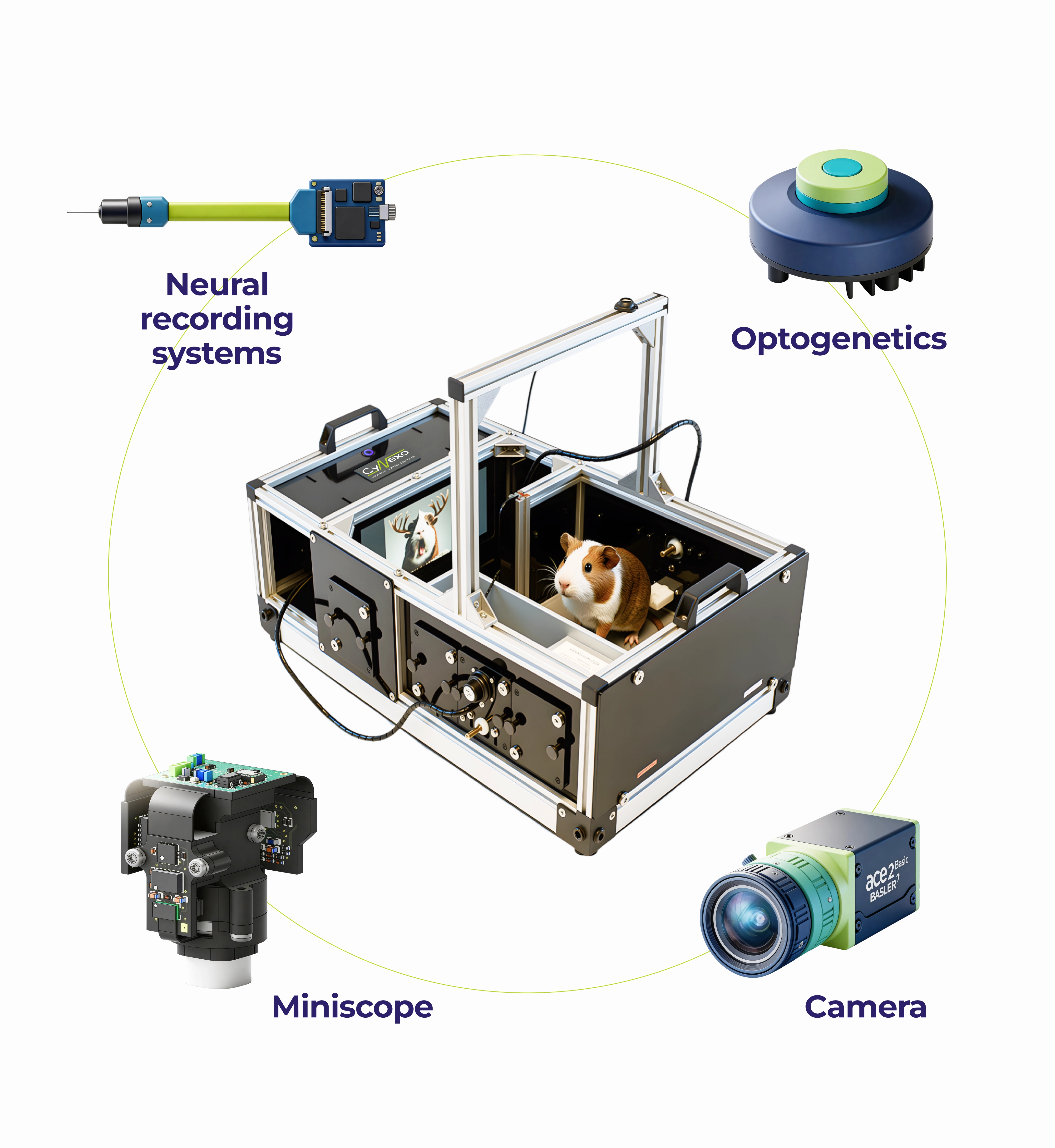
Enhances existing setups
Flex-I integrates seamlessly with widely used neuroscience tools (e.g. neural probes, imaging systems, optogenetics, and cameras), synchronizing diverse devices into a unified experimental platform without requiring labs to replace their existing equipment.
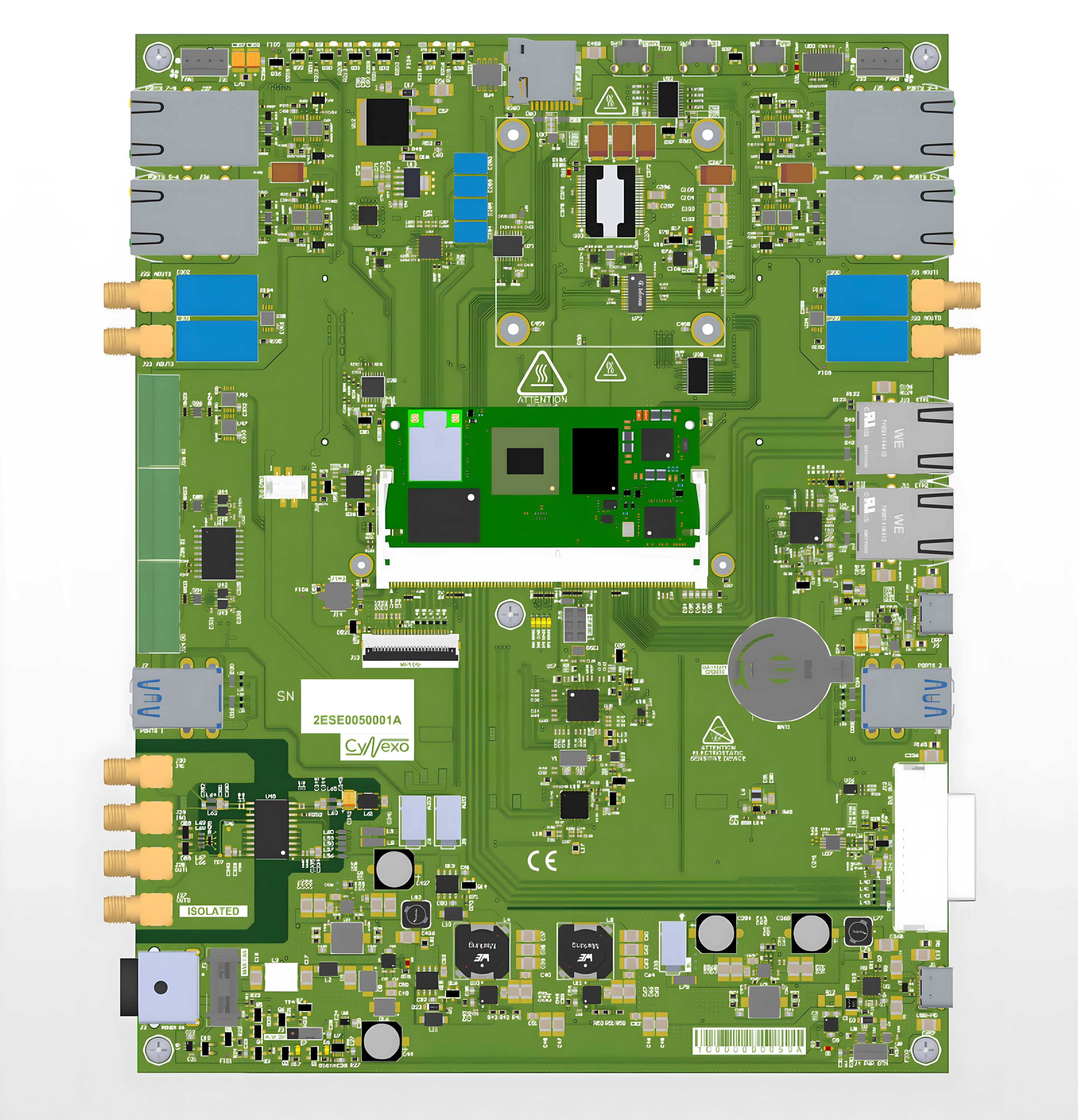
Research-grade reliability
Industrial-grade embedded hardware and high-quality mechanical design ensure millisecond timing accuracy, stable long-term operation, and reproducible experiments across sessions and configurations, with numerous ports (digital, analog, bus) for expansions.
A system that evolves with the research
Flex-I's modular architecture allows researchers to build custom configurations tailored to each experiment and to reconfigure them as hypotheses evolve. Components can be reused across projects, enabling fast iteration without costly redesigns.
Accessible to non-engineers, powerful for expert users
Designed for quick configuration while remaining powerful for advanced users.
Plug-and-play mechanics, visual tools, and a documented API allow both rapid onboarding and deep customization via your programming language of choice.
Enhances existing setups
Flex-I integrates seamlessly with widely used neuroscience tools (e.g. neural probes, imaging systems, optogenetics, and cameras), synchronizing diverse devices into a unified experimental platform without requiring labs to replace their existing equipment.
Research-grade reliability
Industrial-grade embedded hardware and high-quality mechanical design ensure millisecond timing accuracy, stable long-term operation, and reproducible experiments across sessions and configurations, with numerous ports (digital, analog, bus) for expansions.
RESEARCH APPLICATIONS
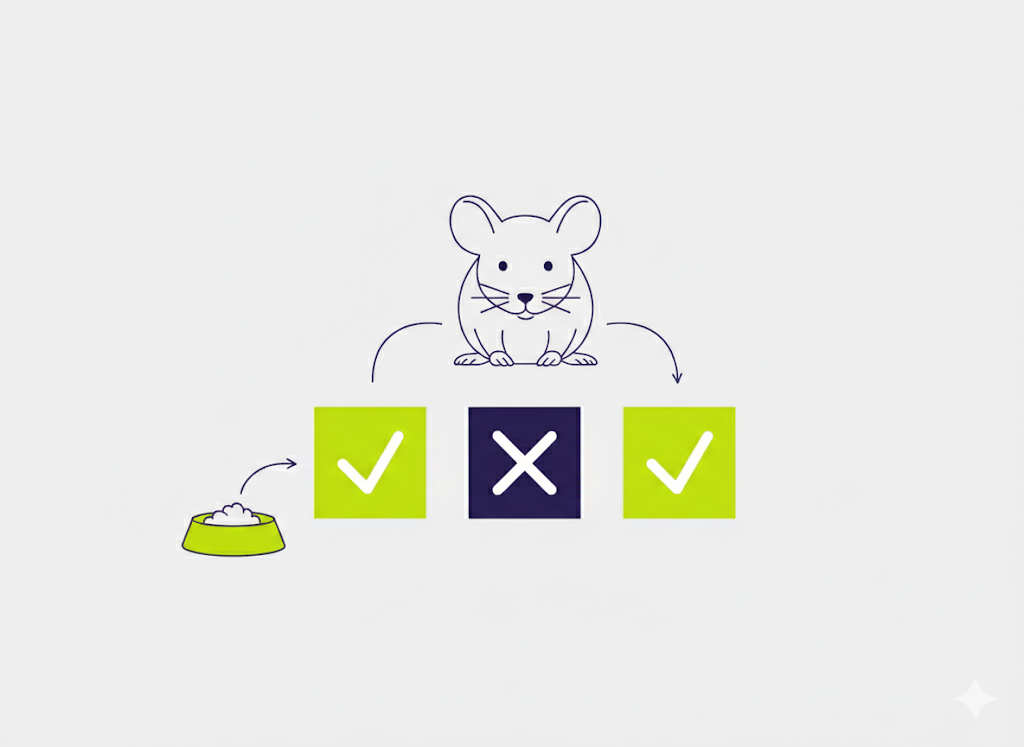
In an alternative forced choice task, rodents must choose between two or more predefined options to obtain a reward or avoid an aversive outcome. This paradigm is used to measure decision-making, learning, and sensory or cognitive biases.
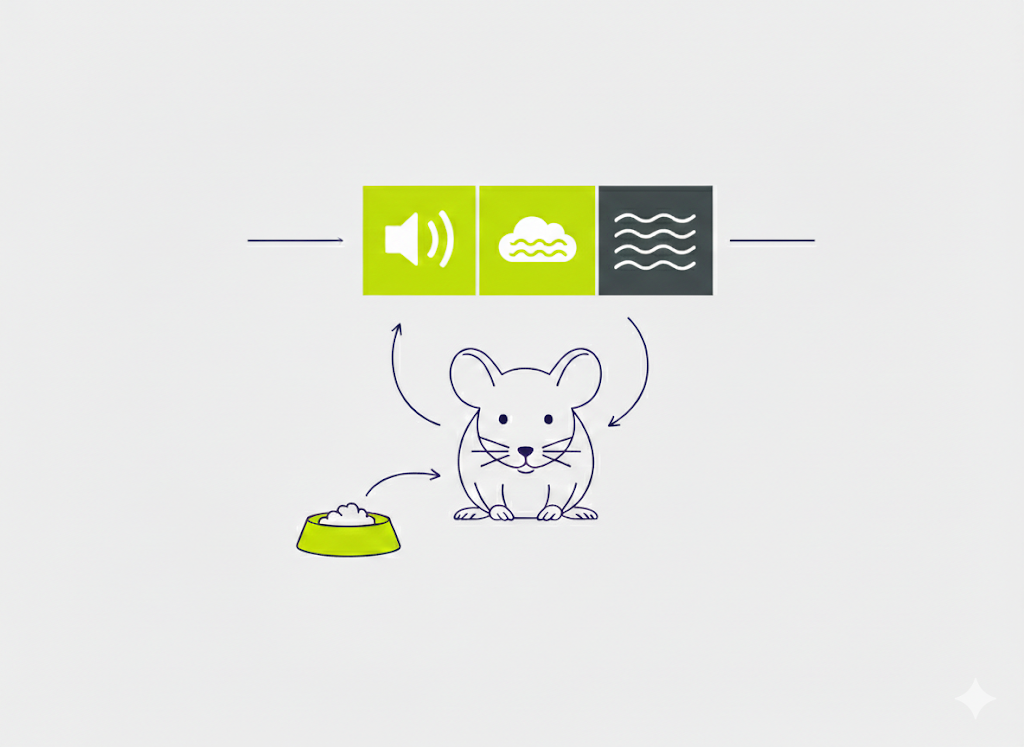
In sensory discrimination tasks, mice or rats are trained to distinguish between two stimuli — such as different tones, odours, or visuals — to receive a reward. These experiments assess perceptual acuity and the neural basis of sensory processing.
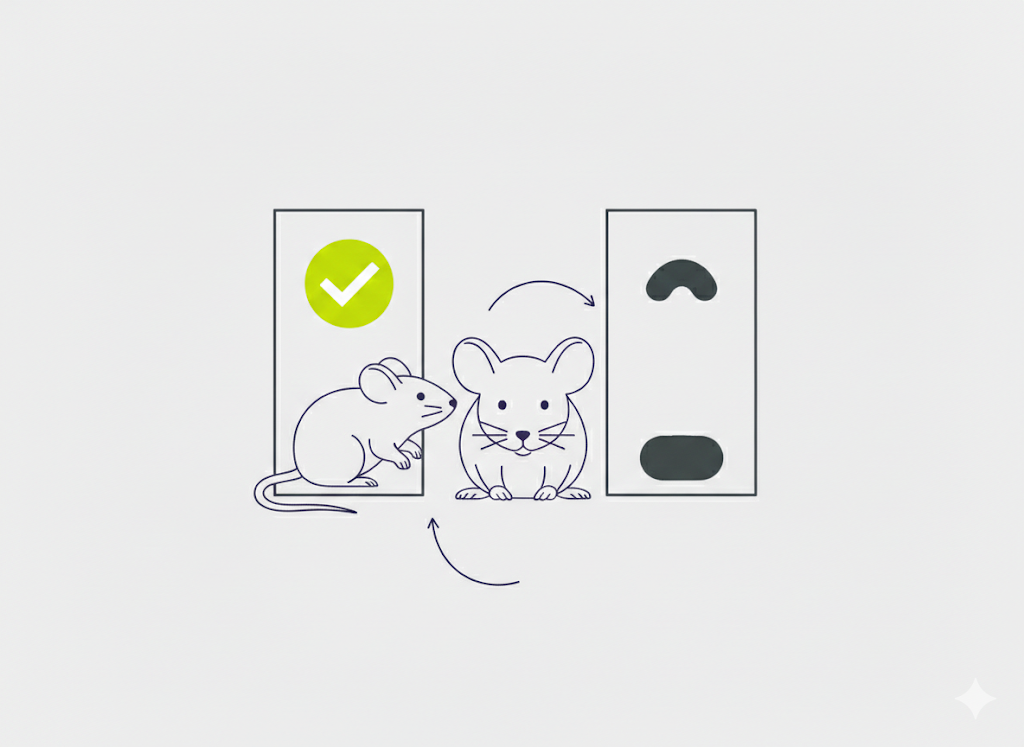
A social interaction paradigm measures how a rodent explores or engages with another conspecific, typically in a controlled arena. It is used to quantify sociability, social preference, and behaviors linked to neuropsychiatric disorders.
We bring groundbreaking modularity to neuroscience research. Our technology represents a fundamental rethinking of experimental platforms.
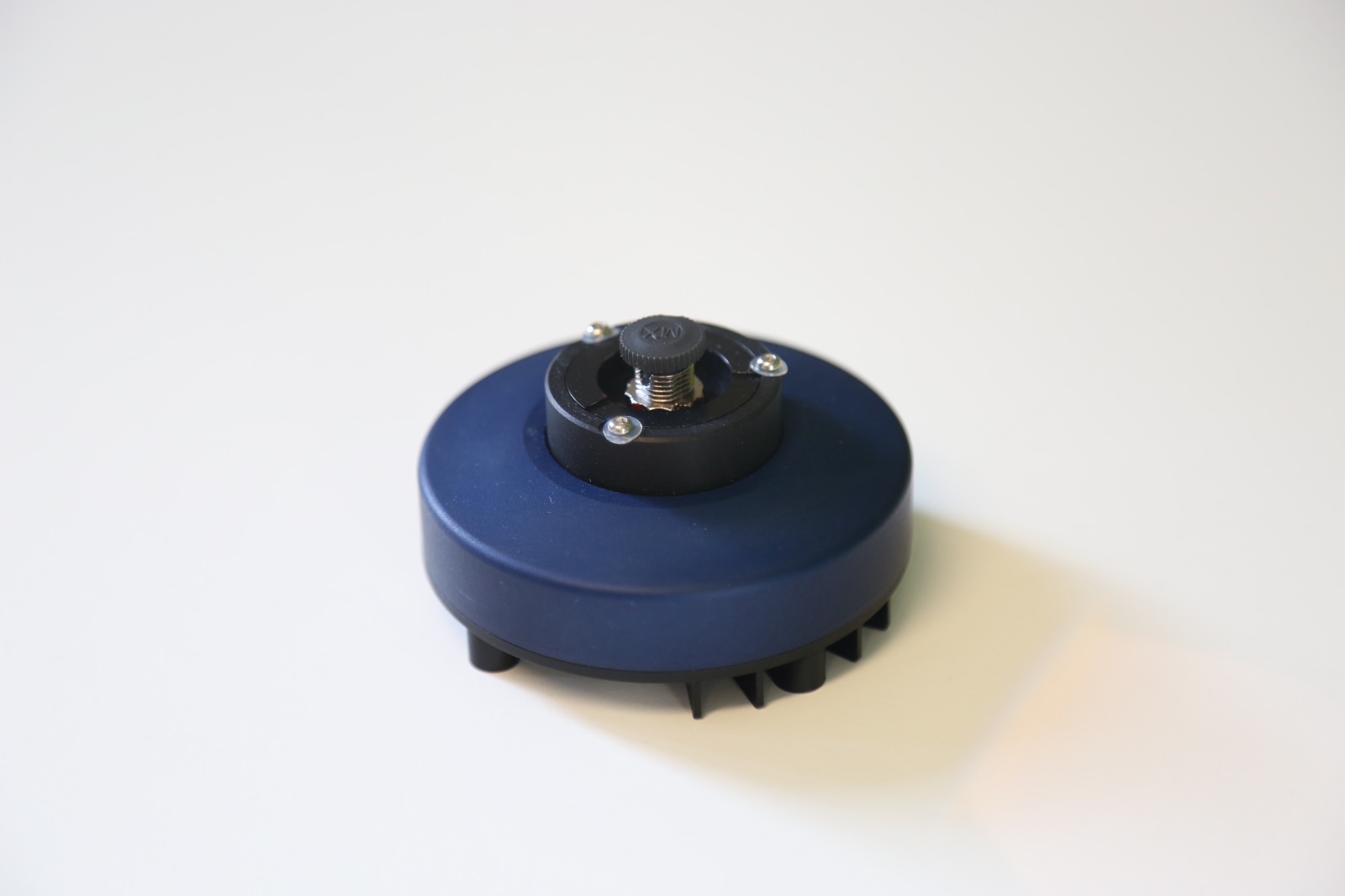
Optogenetics
aoLED is a compact all-in-one optogenetic system combining a LED driver with a fiber-coupled source to deliver high-intensity stimuli at up to 10 kHz. It supports precise analog and digital modulation, includes an embedded power sensor for signal stability and offers customizable implantable or in-vitro variants.
Odour delivery
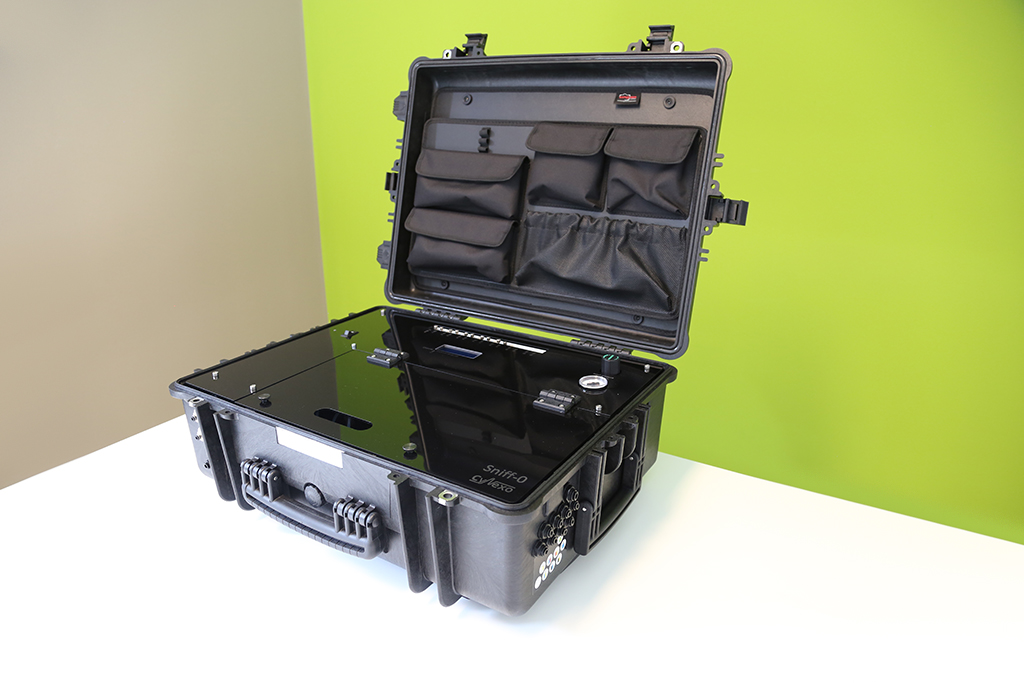
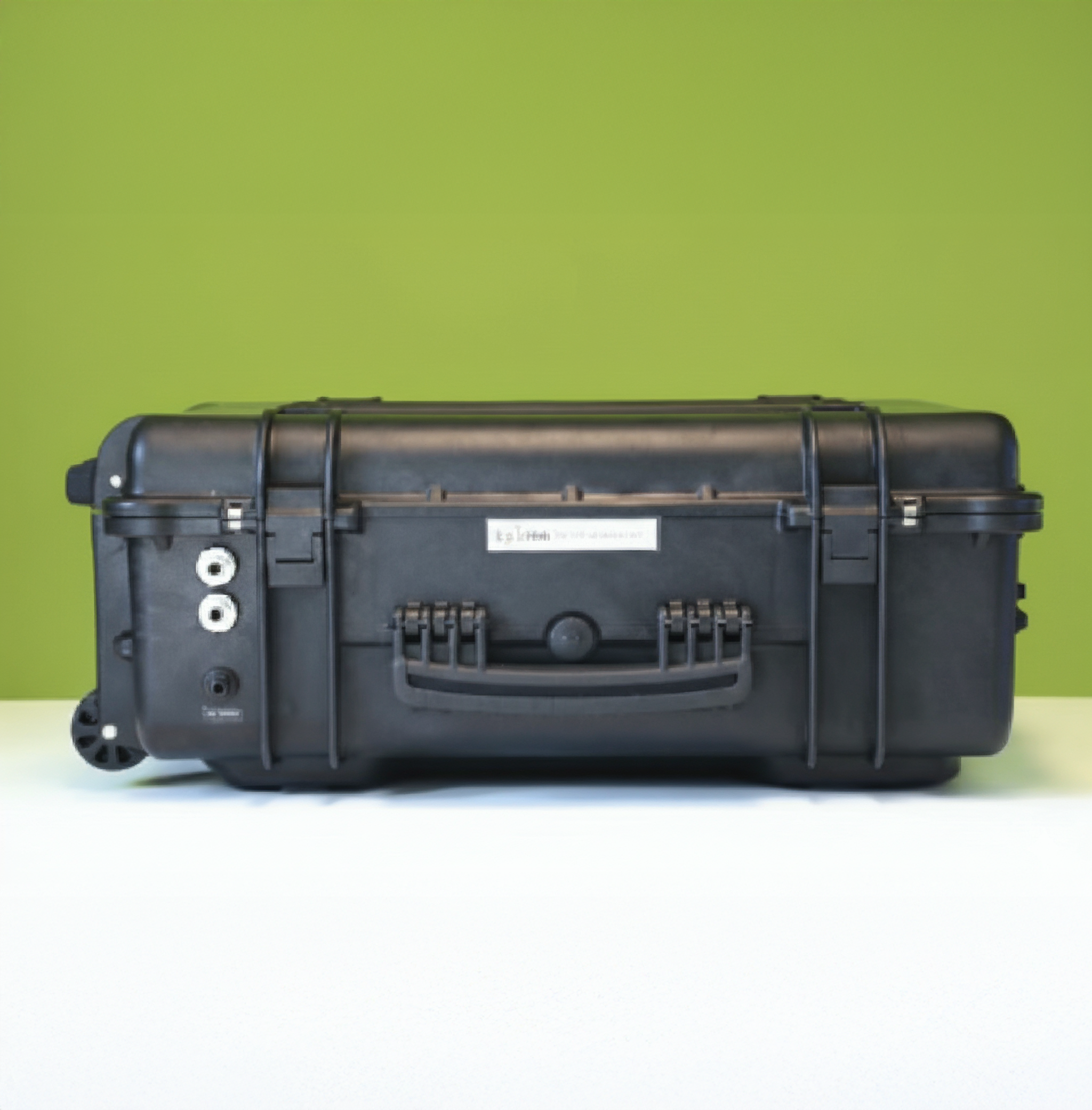
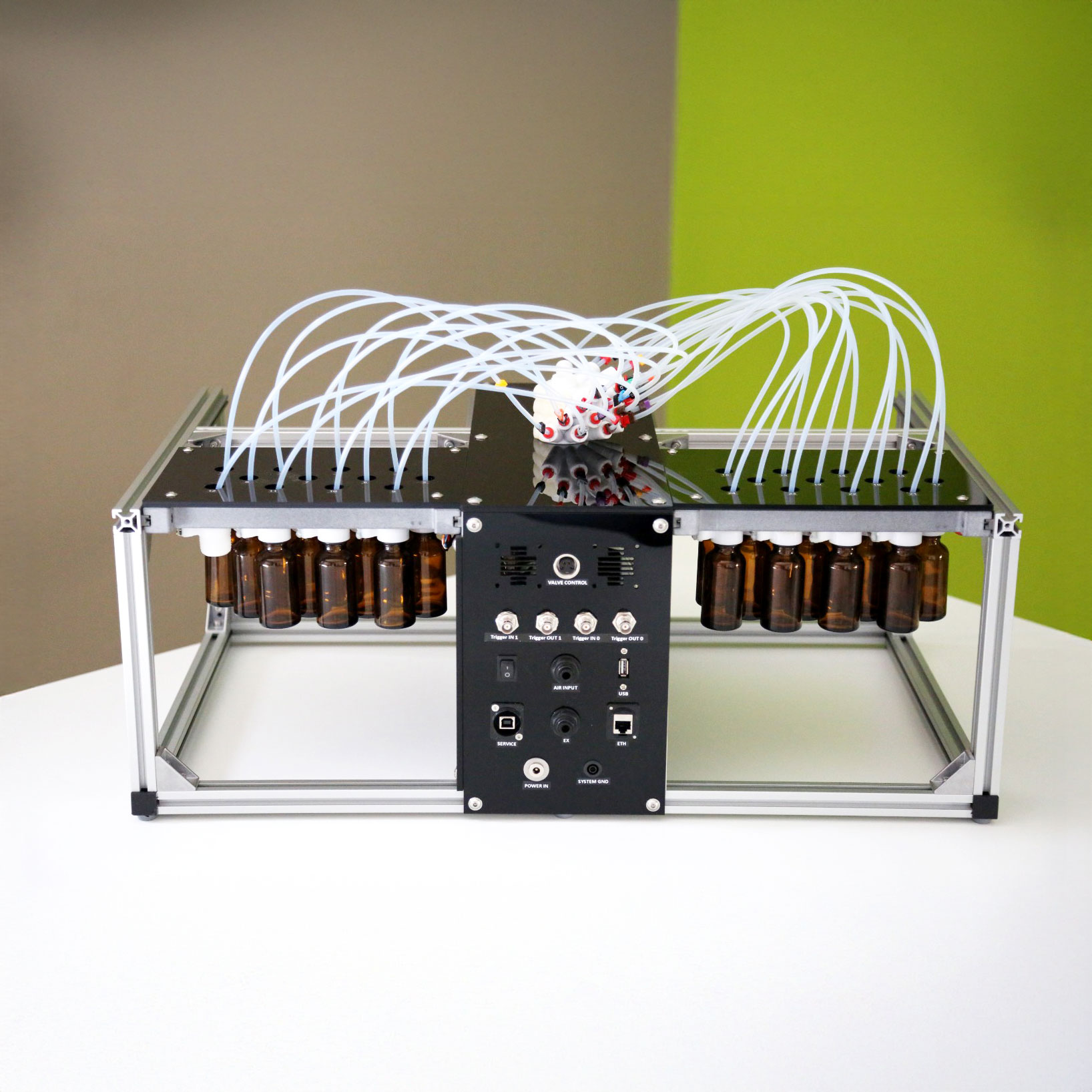
Our olfactometry lineup delivers precision and flexibility for both human and animal research. Sniff-0 offers a portable, customizable multi-channel platform, while Sniff-Lab provides high-count, modular odour delivery for large-scale studies.
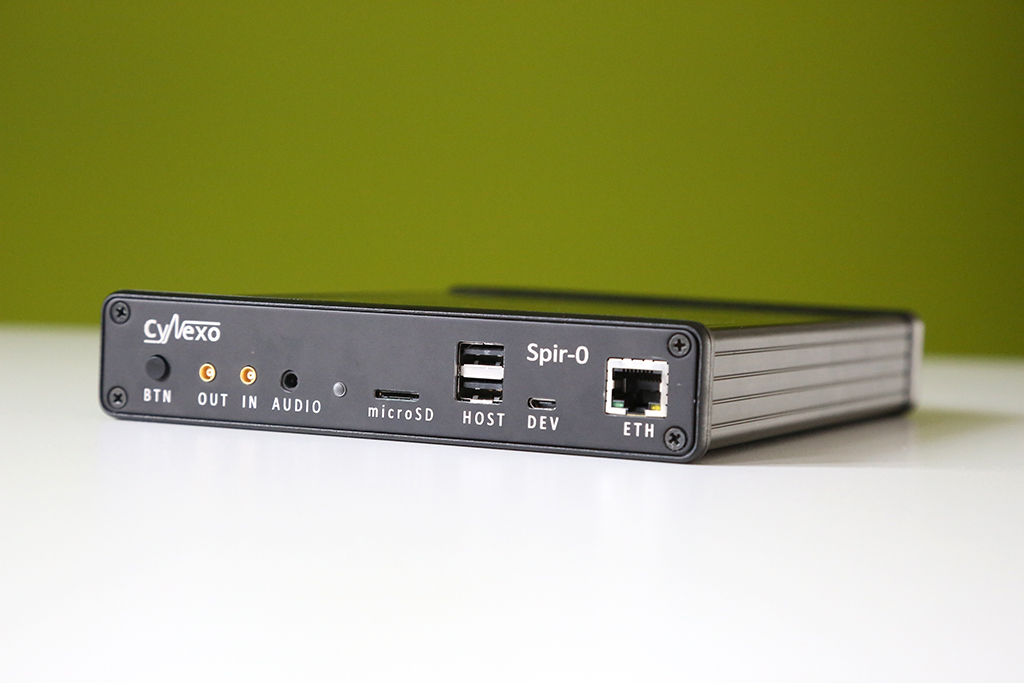
Spir-0 enables accurate breathing-synchronized stimulation, and Sniff-Exp expands experimental possibilities with additional gas sources and real-food odour integration.
Human cognition
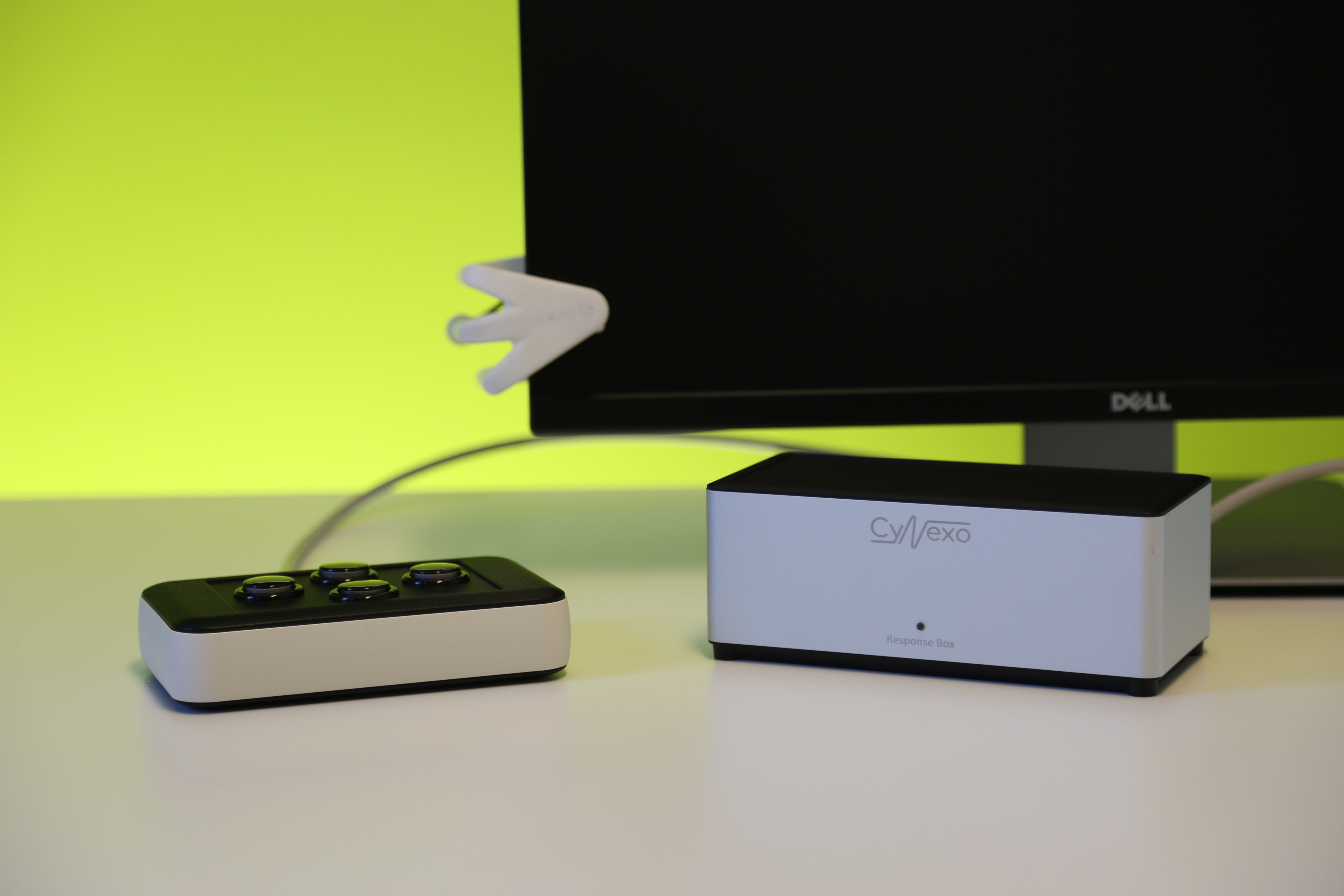
The new Response Box 2.0 is now programmable with MicroPython, making protocol design effortless and delivering millisecond precision.
Detect visual stimuli onset with screen sensors, capture responses with modular pads, buttons or force sensors, and synchronize via TTL I/O channels with olfactometers, EEG, TMS, fNIRS and many other external devices for robust, real-time experiments.
Optogenetics
aoLED is a compact all-in-one optogenetic system combining a LED driver with a fiber-coupled source to deliver high-intensity stimuli at up to 10 kHz.
It supports precise analog and digital modulation, includes an embedded power sensor for signal stability and offers customizable implantable or in-vitro variants.
Odour delivery
Our olfactometry lineup delivers precision and flexibility for both human and animal research. Sniff-0 offers a portable, customizable multi-channel platform, while Sniff-Lab provides high-count, modular odour delivery for large-scale studies.
Spir-0 enables accurate breathing-synchronized stimulation, and Sniff-Exp expands experimental possibilities with additional gas sources and real-food odour integration.
Human cognition
The new Response Box 2.0 is now programmable with MicroPython, making protocol design effortless and delivering millisecond precision.
Detect visual stimuli onset with screen sensors, capture responses with modular pads, buttons or force sensors, and synchronize via TTL I/O channels with olfactometers, EEG, TMS, fNIRS and many other external devices for robust, real-time experiments.
The CyNexo Difference
CyNexo is an innovative SME born in SISSA (Scuola Internazionale Superiore di Studi Avanzati of Trieste) with extensive experience in both running and supporting research.
We're not just building hardware, we're creating tools that respect the complexity and dynamism of modern research. We bridge the gap between what neuroscience research demands and what current experimental platforms deliver.
Contact us to see Flex-I in action and discuss how modular setups can transform your lab's experimental capabilities.

Fabrizio Manzino
CEO

Davide Giana, PhD
Sales and technical support
Via Roma n. 6 - 33050 Trivignano Udinese (UD) - Italy
'/%3e%3c/svg%3e)
'/%3e%3c/svg%3e)
'/%3e%3c/svg%3e)
'/%3e%3c/svg%3e)